This list contains my favorite books I have read about cybersecurity in general. They are not sorted in any particular order, as they all concern some unique parts of cybersecurity.
Disclosure: The Amazon links below are affiliate links. If you buy through them, FrostGuard may earn a commission at no extra cost to you.
1. Countdown to Zero Day: Stuxnet and the Launch of the World's First Digital Weapon

Some form of media about Stuxnet is honestly a must-read for anyone serious about cybersecurity. It tells the story of Stuxnet, the incredibly sophisticated piece of malware that was designed to sabotage Iran's nuclear program.
This was the first widely confirmed case of a digital weapon being used to cause physical destruction, marking a new era in both cyber warfare and cybersecurity. Kim Zetter does an amazing job of walking readers through the technical details without losing them, while also connecting the story to the larger implications of cyberweapons and digital attacks.
What makes this book crucial for the top 10 list is that it shows just how far-reaching and impactful a single piece of code can be, not just on computers, but on global politics and security. Some form of reading about Stuxnet is important, especially for anyone who was not around in the industry at the time.
2. The Red Web

The book is closing in on being 10 years old, but is probably more relevant now than ever due to the geopolitical landscape in 2024.
The Red Web is an eye-opening journey into the battle for control of the internet in Russia. It dives into the history of surveillance, from the Soviet-era KGB's iron grip on information to the modern-day tactics of the FSB, and it does so in a way that stays gripping throughout.
It also tells the inspiring stories of internet freedom activists who are fighting back, showing that the internet can be a double-edged sword for oppressive regimes. It is such a timely read, especially with everything going on in the world today, and it gives you a much better understanding of the tactics and thought process of the Kremlin.
3. The Cuckoo's Egg

While this is also a bit of an older one, it is a classic that anyone newer in the field should read to get a history lesson from the younger days of cybersecurity.
This book details the true story of Clifford Stoll's discovery of a hacker infiltrating U.S. government and academic networks during the 1980s. A 75-cent accounting error is all it took to lead Stoll into a cat-and-mouse game that eventually uncovered a spy ring.
It highlights the early days of cybersecurity and explores how Stoll meticulously tracked the hacker despite having limited tools. It emphasizes how persistence and curiosity are incredibly important traits within cybersecurity and gives a great look at the early days of the field.
4. The Art of Deception: Controlling the Human Element of Security

No list would be complete without a book from the late Kevin Mitnick. While this is one of his older books, it is still my personal favorite of his.
The book explores the social engineering side of the tactics used by hackers. Mitnick explains how attackers exploit human trust and social behavior to breach security systems, using real-world examples throughout.
It emphasizes the importance of training employees to recognize and resist such tactics, and it makes the case for a security approach that is not just technical, but also includes education on the human vulnerabilities that can compromise systems.
5. How to Measure Anything in Cybersecurity Risk
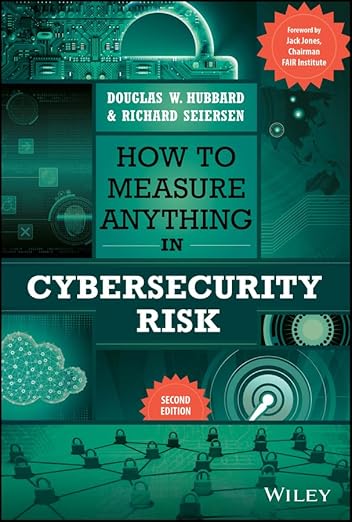
If you are moving from a strictly technical point of view and thinking about steering your career toward security leadership or CISO roles, this is one of the best books I have read.
The book explains how to quantify and measure risks and goals within cybersecurity, giving you better tools both to improve your own risk assessments and to present them clearly to non-technical leaders.
6. Sandworm: A New Era of Cyberwar and the Hunt for the Kremlin's Most Dangerous Hackers

This book about Sandworm, a group of Russian hackers linked to some of the most devastating cyberattacks in history, is a great read for any cybersecurity enthusiast.
From taking down Ukraine's power grid to unleashing NotPetya, the book covers the significant potential of cyberwarfare. What earns it a place on this list is how well it connects these attacks to the larger geopolitical landscape, showing how cyberwar is becoming the new frontier in global conflict.
It offers much more than technical knowledge. It gives a real look at the consequences of hacking in the world around us and makes you think about how fragile the digital world can be.
7. Permanent Record

Edward Snowden is one of the few people in the cybersecurity world who needs no introduction, and his book is strong on its own merits as well. This is essential reading for anyone interested in the intersection of cybersecurity, privacy, and government surveillance.
The memoir follows Snowden's journey from a young tech enthusiast working in the U.S. intelligence community to the whistleblower who exposed the massive surveillance programs run by the NSA.
Including this book in my top 10 is a no-brainer, not only because of Snowden's own significance, but because of how important the issues around Prism, Tempora, and XKeyscore still are. Whether you agree with his decisions or not, the book shines a light on the real-world impact of mass surveillance and forces you to think about ethics, privacy, and government oversight.
8. Dark Territory: The Secret History of Cyber War

This is a great look into the origins and evolution of cyber warfare, explaining how hacking has become a crucial tool for national security and conflict. The book traces the story back as far as the Cold War and carries it into modern times.
It belongs on this list because it examines not just the technical side of cyberwar, but also the political and strategic factors driving it. For anyone trying to build a broader understanding of the field, books like this are a great way to widen your view.
The writing keeps the topic accessible and relatable, even for readers who are not deeply immersed in cybersecurity. If you want to understand the origins of today's cyber threats and the future of digital warfare, this book is a must-read.
9. Tribe of Hackers: Cybersecurity Advice from the Best Hackers in the World

This book contains a unique compilation of interviews with some of the world's top cybersecurity experts. Instead of a traditional narrative, it offers a series of insights, tips, and lessons from experienced hackers and security professionals.
Each interview covers topics ranging from career advice to practical security tips, giving readers a rare look into the minds of some of the best people in the field. It is definitely different from the other books on this list, but that is also what makes it such a great addition.
Whether you are just getting started in cybersecurity or are already experienced, it offers valuable perspectives that can sharpen your skills and broaden your understanding of the industry. I always love learning from people with more experience than me, and this is a great read for exactly that.
10. Tracers in the Dark: The Global Hunt for the Crime Lords of Cryptocurrency

This is a thrilling deep dive into the world of cryptocurrency crime and the people investigating it. It follows the rise of dark web marketplaces, where criminals believed they could operate anonymously with Bitcoin.
As the story unfolds, a group of dedicated experts develops the tools to trace these supposedly untraceable transactions, leading to the downfall of major online criminal networks. The book stands out because it tackles one of the larger issues in digital finance today: the intersection of cryptocurrency and crime.
The storytelling makes this technical world accessible, turning it into something that reads like a detective thriller. It is approachable for experts and for readers who are simply curious about the criminal use of cryptocurrency. It also captures the tension between privacy and security in the digital age in a particularly effective way.
That was all 10. I hope you enjoy some of them, and I am always up for discovering another great cybersecurity book.